







Motion Control Technology by SANYO DENKI AMERICA
motioncontrol.blog is operated by SANYO DENKI AMERICA and shares motion control engineering insights for industrial applications.
As equipment gets smaller, motion has less margin to hide problems. Tight enclosures reduce stiffness and thermal headroom, and vibration or tonal noise becomes more noticeable. Compact and thin motors help designers miniaturize without sacrificing stability, smoothness, or long term consistency when the motor architecture matches real mechanism behavior.
Miniaturization is rarely about shrinking the motor alone. The real goal is freeing space for optics, sensors, fluid paths, PCBs, shielding, and cleaner cable routing, while lowering stack height in stages and actuator modules. Thermal margin also tightens in small housings, so selecting a compact architecture with sufficient performance headroom can reduce enclosure related surprises later.
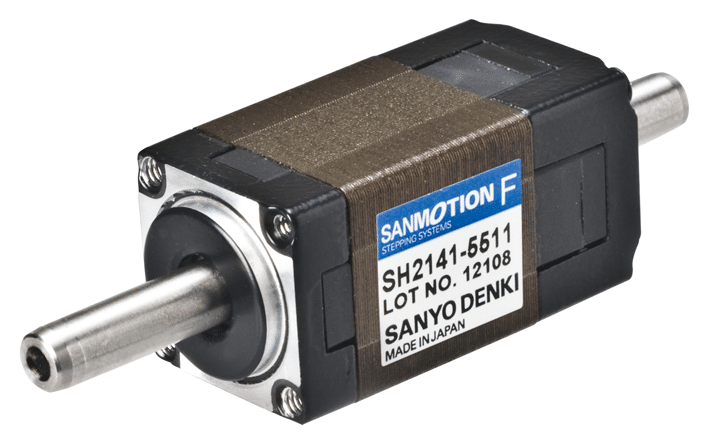
Use this approach when loads are predictable and packaging depth is the main constraint. Pancake and hollow shaft geometries help you keep the mechanism shallow while preserving practical torque and a cleaner internal layout.
Common compact options include:
Hollow shaft formats are especially useful when routing, pass through, or a central cable path becomes the real constraint rather than torque.
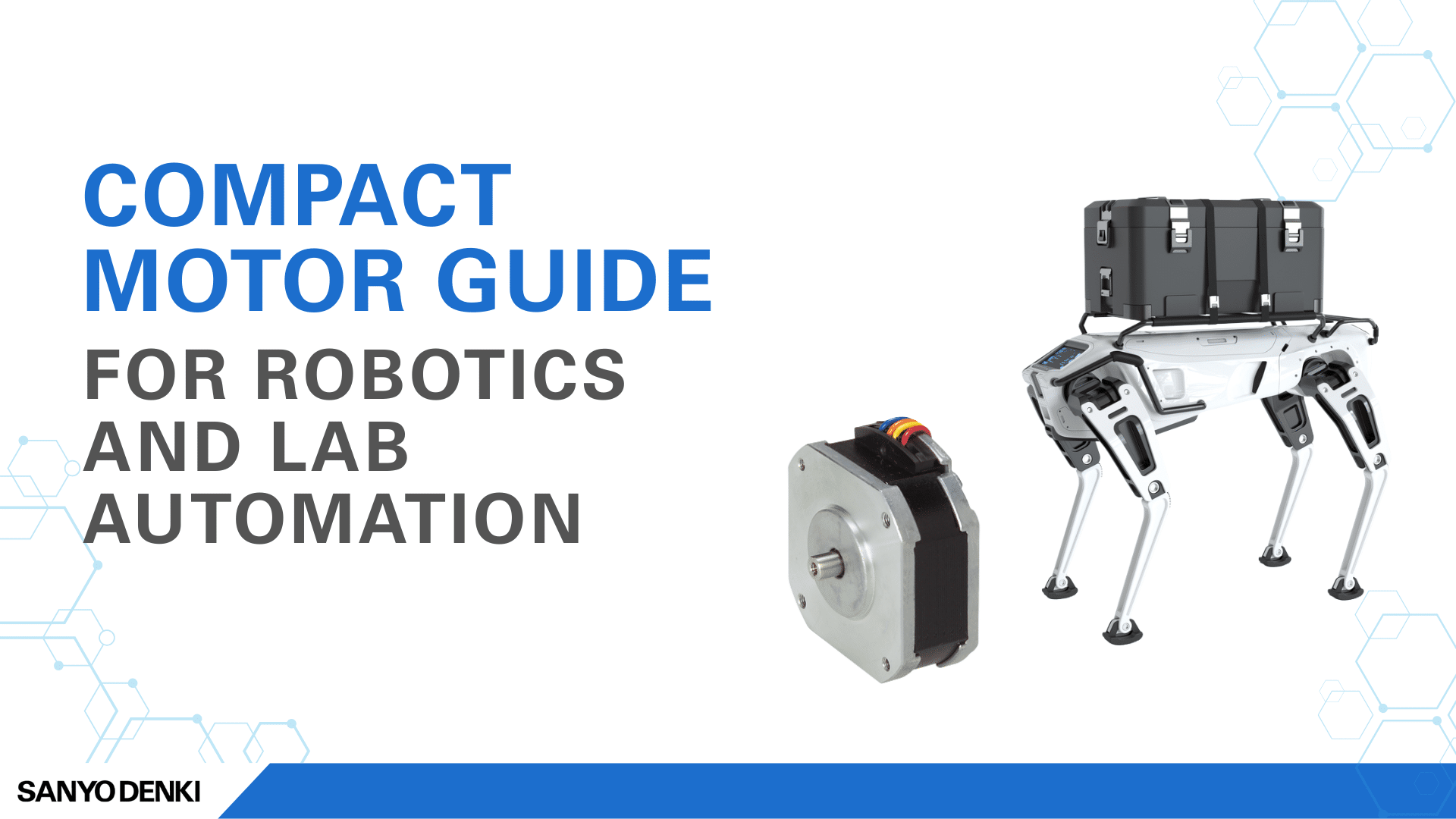
Dog shaped humanoid robot eye module with very limited depth
Eye mechanisms are often constrained by depth more than footprint, and they need repeatable motion that feels smooth and natural. A pancake motor format is a practical fit because it keeps the stack shallow while still providing usable torque in a compact envelope.
If routing becomes the real constraint, not torque, hollow shaft stepping options can enable a cleaner internal layout without forcing harness compromises.
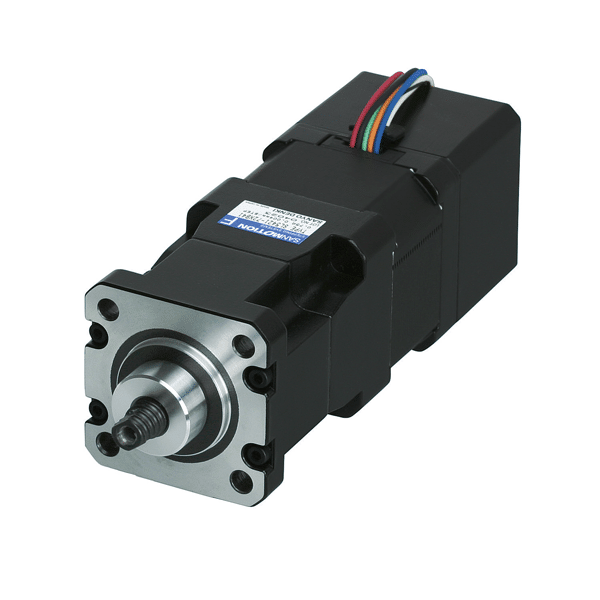
Use this approach when resonance, vibration, and audible tone are the limiting factors. 5-phase stepper motor is a practical way to improve motion quality while keeping stepper simplicity.
Typical building blocks include:
Compact benchtop medical and lab equipment where smoothness and noise define quality
Benchtop systems are used up close, and compact housings can amplify tonal noise and vibration. Even when motion performance meets the specification, user perception can still be driven by sound and feel.
Other examples include:
• Hematology analyzers • Immunoassay analyzers • PCR thermal cyclers • Automated microscope stages • Benchtop liquid handling systems, and more
When smoothness and low vibration are the requirement, 5-phase stepper is a strong fit because it directly targets resonance and audible tone while keeping stepper simplicity.
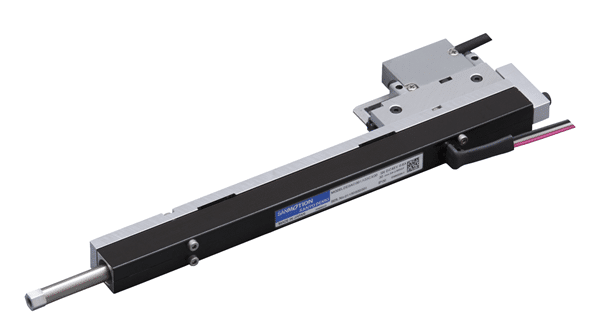
Use this approach for short stroke motion where direct thrust simplifies mechanics, such as small shuttles, indexing, compact gating, and cartridge handling. Direct thrust can reduce conversion parts, part count, and tolerance stack up from couplings and screws.
Compact cylinder linear servo motor 48VDC DE0AC001A03CX00
Short stroke actuation for tube and sample handling in compact lab automation
Compact lab automation modules often need short, repeatable linear moves for gripping, pressing, or seating operations. A compact cylinder linear servo motor can deliver controlled direct thrust while keeping the mechanism simple and low profile, which helps when layout space is tight and repeatability matters.
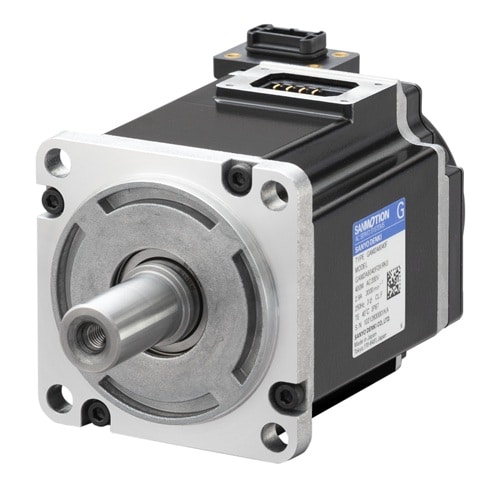
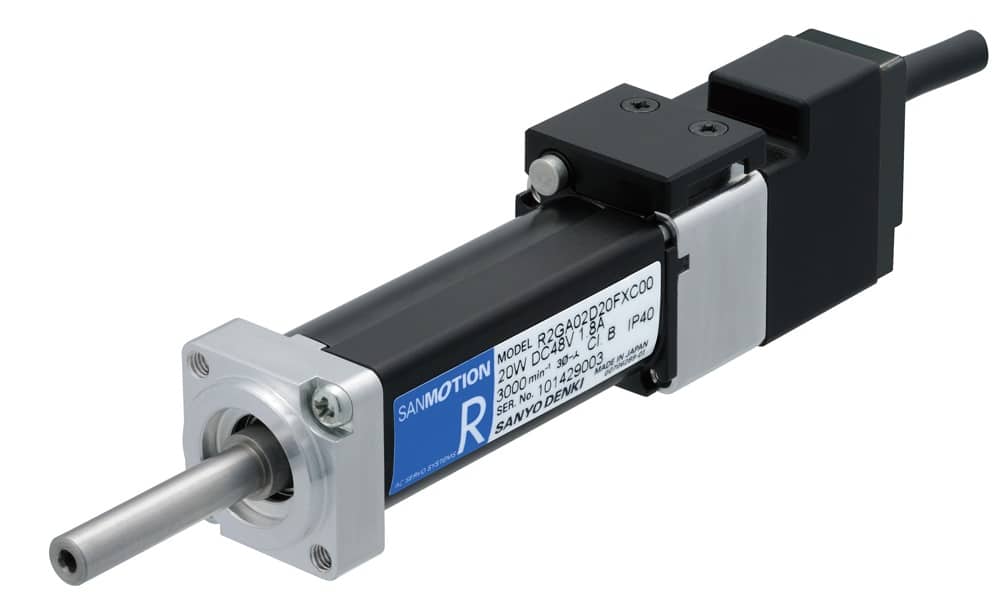
Use this approach when settling time and disturbance rejection matter, especially when friction changes with seals, cable drag appears after final routing, or payloads vary between configurations. Compact AC servo systems provide control margin that helps small mechanisms stay stable as conditions drift.
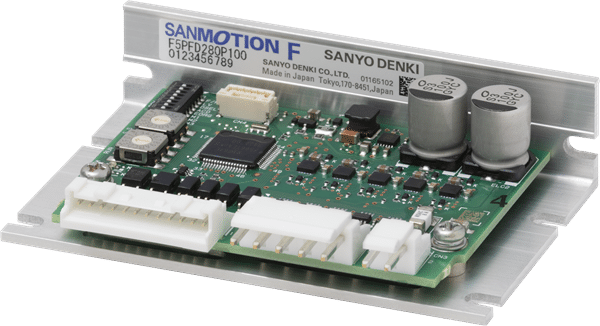
Compact servo choices include:
SANMOTION R compact cylinder AC servo motors in 20 mm square sizes for dense multi axis layouts where axis spacing is limited.
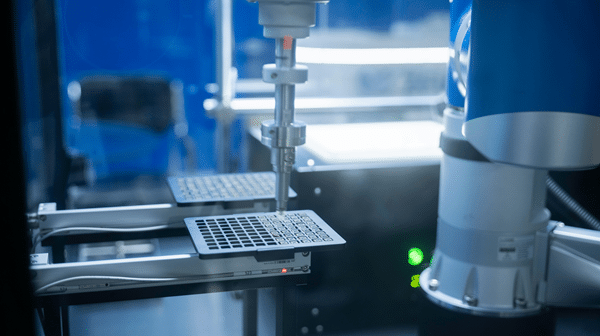
Compact industrial automation modules where throughput depends on settle time
Small automation stations still face real variation over time. Cable drag shows up after final routing, friction changes, and payloads vary between configurations. In compact layouts, those changes can quickly turn into longer settle times, positional inconsistency, or late stage redesign risk.
Two practical approaches show up often:
• Direct thrust for short stroke motion using a compact cylinder linear servo motor to reduce conversion parts and tolerance stack up
• Compact AC servo control margin using SANMOTION G or SANMOTION R when stable behavior under variability matters more than peak load
Compact and thin motors are less about small parts and more about predictable system behavior in a tight envelope.
👉 If packaging depth is the constraint
• Choose thin 2 phase stepping, including pancake and hollow shaft formats
👉 If smoothness and low vibration define quality
• Choose 5 phase stepping to reduce resonance while keeping stepper simplicity
👉 If you need short stroke direct thrust
• Choose compact cylinder linear servo, with representative models up to 16.5 N max thrust
👉 If variability threatens stability or settle time
• Choose compact AC servo such as SANMOTION G or SANMOTION R for control margin as conditions drift
Please contact our motion experts to help select the best motor and drive combination for your mechanism.
This article is part of SANYO DENKI AMERICA’s motion control engineering knowledge base, sharing practical insights used in real-world servo and motion control applications.
Request a consultation for your customization needs. Our team will be in contact with you soon to provide further information and answer any questions you may have.